
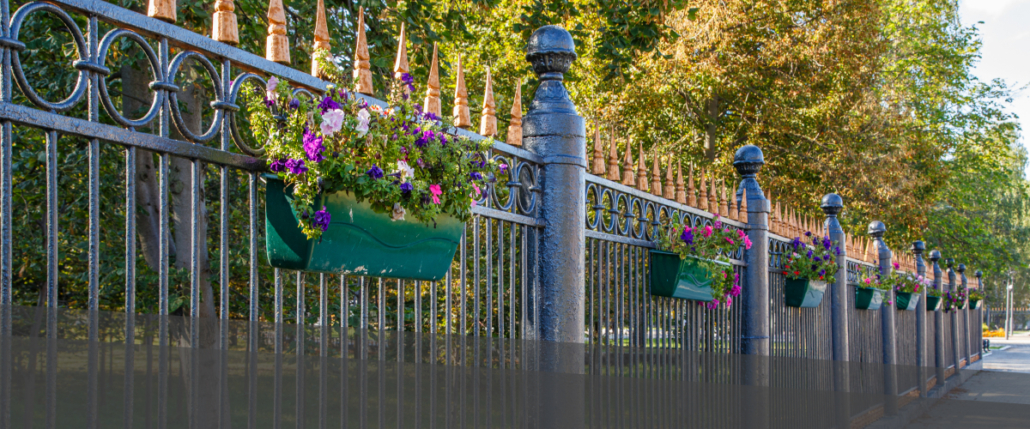
When selecting a metal for outdoor projects, it’s essential to find a balance between visual appeal and weather resistance. Choosing the wrong alloy for open-air environments can lead to erosion, rust and structural instability. Thus, you’ll want to prioritize durability and maintenance in your selection. Aim to use a metal that can endure harsh conditions.
Whether you’re looking to construct stairs, trim, railings or custom designs, choosing the right metal makes all the difference. This guide will walk you through the best metals for external applications to help you make an informed decision. Read on to learn about the best weather-resistant metals for outdoor use.
Environmental Stressors on Outdoor Metalwork
Because outdoor metalwork is exposed to the elements, it is susceptible to corrosion. When choosing a metal, it’s helpful to understand the environmental conditions it will face.
Properties located near coastlines are vulnerable to aggressive chloride attacks. These salt particles attract moisture, keeping structures wet for extended periods of time. Increased salinity is known to corrode metal, potentially affecting structural stability.
Additionally, water can cause oxidation, which is what causes iron to rust. Crevices and horizontal surfaces can trap excess moisture. As such, humid environments call for durable alloys with strong protective layers.
Along with moisture, certain strong gases can corrode metal. For example, sulfur dioxide is released during industrial processes, posing a risk for metal infrastructure in urban areas. Heat may also damage metal by weakening its surface. Extreme temperature cycles and UV rays can stress joints through constant expansion and contraction.
While it’s not always possible to avoid environmental factors, certain metals can resist the effects of corrosive particles, heat, moisture and strong weather.
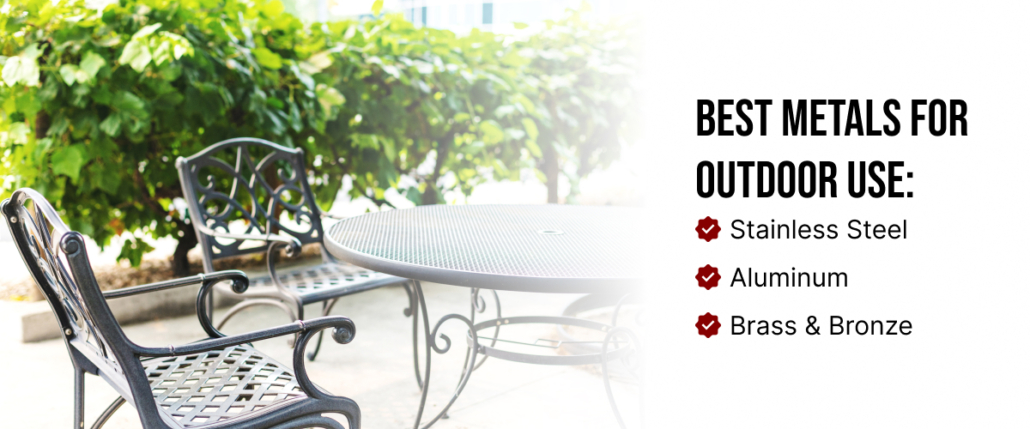
Best Metals for Outdoor Use
A few alloys stand out for their strength and longevity. Here are some of the most commonly used metals in outdoor applications.
Stainless Steel
Stainless steel is a popular choice in outdoor metalwork. Its sleek, modern appearance and corrosion resistance make it ideal for modern architecture. Many skyscrapers, bridges and other outdoor installations use stainless steel for its long-lasting durability. Stainless steel protects itself with an ultra-thin self-healing layer. This kickstarts chemical passivation, which ultimately prevents corrosion.
Alloy grade is an important factor in outdoor performance. Keep in mind that lower grades of stainless steel may still be at risk of corrosion, especially in coastal environments. Grade 304 is used in most stainless steel applications because it has chromium for strength. However, grade 316, or marine-grade stainless steel, offers improved corrosion resistance in harsher environments.
The term “stainless” may lead people to believe that no maintenance is needed, but regular cleaning can help remove contaminants before they reach the passive layer. Treating stainless steel with protective coatings is one way to further protect against damage. You can clean stainless steel with warm water and mild soap, but steer clear of abrasive cleaners like bleach or ammonia. Otherwise, make sure to keep surfaces dry and conduct regular checks for rust before it becomes a significant issue. You can treat discoloration early on with a stainless steel cleaner.
Aluminum
Aluminum is an affordable, heavy-duty metal highly favored for outdoor use. It has a convenient strength-to-weight ratio, making it both lightweight and durable. Because of this, aluminum is easy to move. People like to use aluminum for heavy gates, railings and other building components.
Like stainless steel, aluminum forms an invisible oxide coating that prevents rust from penetrating. Aluminum is a great choice if you’re looking for a convenient, low-maintenance metal that lasts for a long time outdoors. The Shaftesbury Memorial Fountain in London, also known as the Eros statue, is a notable example of an untreated aluminum structure.
Because of its protective layer, aluminum does not rust. However, like all metals, it is still prone to oxidation and corrosion. You can shield aluminum fixtures from moisture and oxygen by adding protective coatings. You can also anodize aluminum for better protection. Anodizing thickens the natural oxide layer for a harder surface. Wash aluminum surfaces with a soft cloth or sponge, gentle soap and warm water as a preventive measure. Rinse it well to prevent soap streaks.
Brass and Bronze
Copper alloys like brass and bronze are known for their corrosion resistance and timeless, shiny appearance. These metals resist rust and corrosion, though they eventually age into a blue-green patina called verdigris, a product of oxidation. Many designers choose copper for this very reason. For example, the Statue of Liberty’s iconic green hue is a result of verdigris.
Copper’s patina is more than a visual change — it becomes a protective shell, preventing further weathering. As such, you don’t need to add clear coats, as these can lead to peeling. You can clean brass and bronze surfaces with mild soap and water. Afterward, dry them with a towel to prevent water damage.
Keep in mind that brass and bronze are heavier and sometimes more expensive, meaning they might require more planning. However, these alloys provide both long-term protection and a distinctive look, making them an excellent choice for decorative outdoor fixtures.
Finding the Right Metal for Your Project
Before settling on a metal for the outdoors, think about how these factors align with your specific design needs:
| Stainless Steel | Aluminum | Brass or Bronze | |
|---|---|---|---|
| Strength | High | Moderate | Moderate |
| Maintenance | Low | Low | Low |
| Aesthetics | Sleek, modern | Versatile, minimalist | Timeless, patina |
| Corrosion Resistance | High | High | High |
| Weight | Heavy | Lightweight | Heavy |
| Best Applications | Railings, bridges, outdoor kitchens | Fencing, windows, pergolas, patio furniture | Statues, fixtures, decorative accents |
When planning an outdoor project, the right type of metal can make all the difference. Each metal offers unique benefits, from visual appeal to low maintenance needs. Ultimately, the metal you use should resist corrosion when installed outdoors.
Bear in mind that, along with the alloy chosen, certain fabrication techniques, protective coatings, weld quality and slopes or drainage holes can also minimize damage from moisture and harsh weather.
Explore Outdoor Metals at Nationwide Architectural Metals
With over 40 years of expertise in metal solutions, Nationwide Architectural Metals is a trusted source for architectural and ornamental metal fabrication. We deliver durable decorative metals tailored to your design needs. Our lineup of quality pre-polished metals comes in a variety of shapes, sizes and finishes. When requirements exceed what a traditional metal shop can handle, we complete unique requests with precision and care.
We are proud to provide clients with a wide selection of pre-polished metals, including stainless steel, bronze, brass and aluminum. Our team offers a range of custom services to help bring your project to life. For more information on choosing the right materials for your project, contact an expert today.